Extreme humidity and frequent rainfall drive rapid mold, algae, and salt buildup that can permanently damage siding and outdoor surfaces. Scheduling a professional St. Augustine summer exterior cleaning neutralizes these threats, preventing structural decay and maintaining property value during the region's most punishing season.
Living in St. Augustine means enjoying world-class charm, but the local climate is notoriously unforgiving on your home exterior. You likely notice green film creeping across your siding or dark streaks appearing on your roof just days after a typical summer thunderstorm. This rapid growth is no coincidence; the combination of intense Florida heat and daily humidity creates a literal petri dish for mold and algae. Neglecting these organic deposits allows them to bake into your finishes, causing long-term damage to your paint and stucco. In this guide, Jax Pressure Pro breaks down why St. Johns County properties are uniquely vulnerable. You will learn about the science behind post-storm growth, why the north side of your house suffers most, and why professional soft washing is the only safe way to protect your investment during the sweltering rainy season.
The St. Augustine Summer Cocktail: Heat, Humidity, and High Growth Rates
Living on the coast in St. Johns County offers an incredible lifestyle, but it also presents a specific set of environmental challenges for your property. St. Augustine summers are defined by a relentless combination of temperatures exceeding 90 degrees and oppressive humidity levels. This environment creates what professionals call a petri dish effect, where organic growth like mold, mildew, and algae thrive in an ideal breeding ground.
Our coastal location differentiates us from inland Florida regions. While inland areas might experience higher dry heat, St. Augustine deals with persistent coastal moisture. Afternoon sea breezes often push humid, salt-laden air directly against your home. As the wind dies down in the evening, this moisture remains trapped against siding, soffits, and gutters, keeping surfaces damp long after the sun goes down. This lack of a drying cycle is exactly why biological growth can seemingly appear overnight during the peak of the season.
At Jax Pressure Pro LLC, we prioritize educating homeowners that St. Augustine summer exterior cleaning is a necessity rather than an elective service. Allowing biological growth to remain on your home during these high growth months can lead to permanent staining or the breakdown of protective coatings. Engaging soft washing experts to neutralize these spores early is a strategic move to defend your investment. For those looking to maintain their curb appeal and property value, professional pressure washing in St. Augustine is the most effective way to combat this aggressive seasonal climate.
The 48 Hour Rule: Why Mold and Algae Explode After Afternoon Squalls
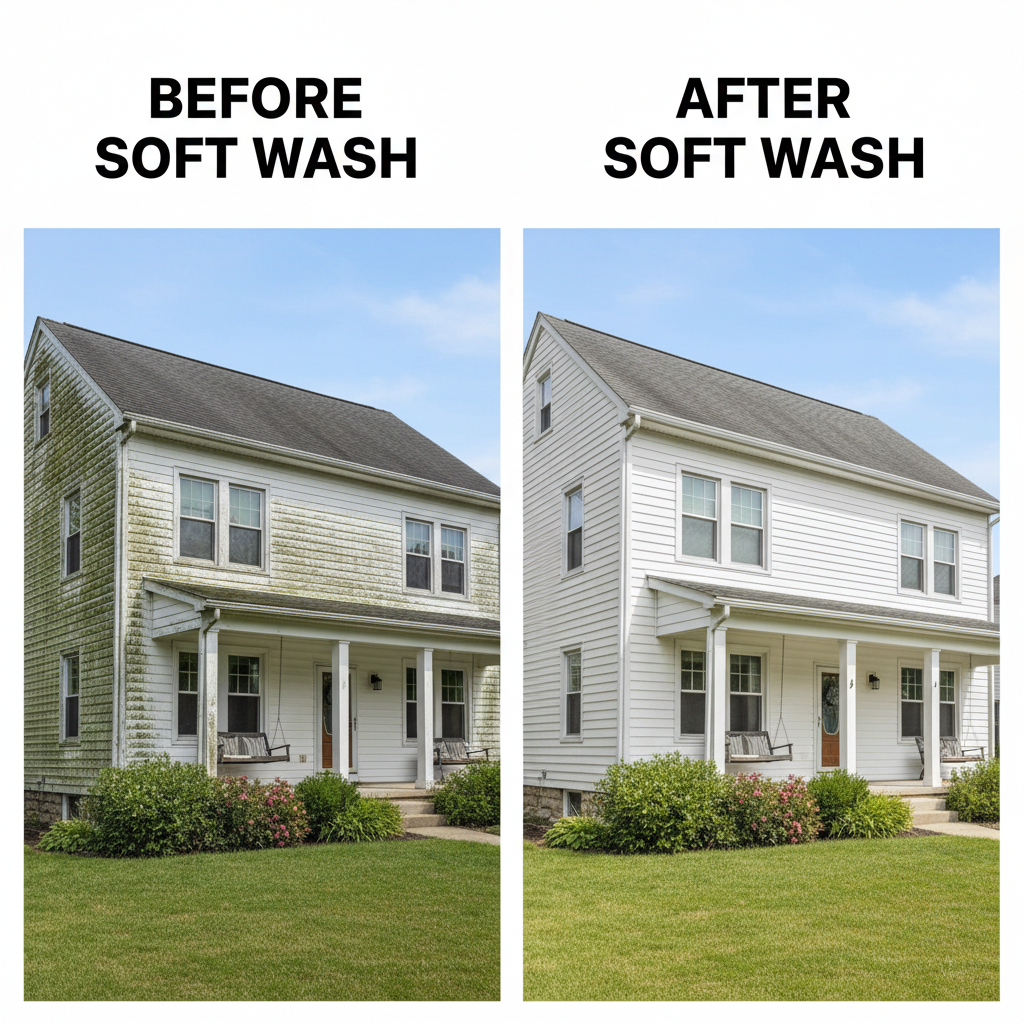
Homeowners often ask how quickly mold can actually take hold on their property. The answer is surprisingly fast. While dormant spores are a constant, invisible presence on every exterior surface in Northeast Florida, they remain inactive until they meet the right catalyst. In St. Johns County, our daily afternoon squalls provide that necessary fuel. Once a surface is saturated, mold can establish new colonies and become visible within just 24 to 48 hours of a rain event.
This rapid growth is accelerated by the layer of microscopic dirt and organic debris that naturally accumulates on siding, brick, and stucco. This debris acts like a sponge, trapping moisture against the surface and preventing the home from fully drying out between storms. Even when the afternoon sun returns, the water trapped behind a layer of dust creates a localized greenhouse effect. This cycle is precisely why you might notice your house greening significantly in a single week during July or August.
Because of this 48 hour window, waiting until the end of the season to address buildup is often a mistake. The longer these colonies stay active, the deeper they root into your home's finishes, potentially leading to permanent staining. Proactive St. Augustine summer exterior cleaning ensures that the food source for these spores is removed before the next storm hits. If you notice green or black patches appearing after a week of heavy rain, contact us for a free estimate to stop the growth cycle. Utilizing soft washing experts to treat these surfaces is the most effective way to kill the spores at their source and prevent immediate regrowth after the next afternoon shower.
Why Your House Turns Green Faster on the North Side
If you walk around your property, you will likely notice that the northern exposure looks significantly older or dirtier than the rest of the home. This isn't a coincidence; it is a direct result of solar orientation. In Florida, the sun travels across the southern sky, meaning the north side of your house remains in near permanent shade. Without direct UV rays to bake away moisture, surfaces stay damp for hours or even days longer than southern facing walls. This creates a specialized damp zone where organic growth can flourish undisturbed.
In newer developments across Nocatee and SilverLeaf, this issue is often exacerbated by dense landscaping. While lush shrubs and ornamental trees provide privacy, planting them too close to the siding or stucco restricts vital airflow. When the sea breeze is blocked by foliage, moisture becomes trapped against the exterior surface, providing a stable environment for Gloeocapsa Magma and green algae. Gloeocapsa Magma, the bacteria responsible for those unsightly black streaks, thrives in these shaded, moist areas and can quickly spread from your roof to your soffits.
Maintaining a clear gap between your landscaping and your home is a practical first step to improving ventilation. However, once these organisms have colonized the shaded side of your property, they require professional intervention. Utilizing soft washing experts is the most effective way to reach deep into the pores of your siding to kill these colonies at the root, ensuring your St. Augustine summer exterior cleaning lasts through the most humid months of the year.
The Impact of Salt Air and UV Rays on Coastal Finishes
Living so close to the Atlantic Ocean means St. Augustine homes are constantly exposed to aerosolized salt. While a sea breeze feels refreshing, it carries microscopic salt crystals that bond with the high summer humidity. This creates a sticky, corrosive film that settles on window frames, soffits, and metal hardware. Unlike simple dust, this salt layer attracts more moisture, accelerating the oxidation of aluminum and the degradation of protective coatings.
At the same time, the intense Florida UV index works to break down the chemical bonds in your home’s paint and sealants. This process, often called chalking, makes the exterior surfaces more porous. When paint becomes porous, it acts like a sponge for salt and organic spores. This is a critical factor in St. Augustine summer exterior cleaning; you are not just washing away dirt, you are removing a chemical catalyst. Without regular maintenance, the combination of UV damage and salt buildup allows mold to root deeper into the substrate, making it significantly harder to remove later. Soft washing experts understand that neutralizing this salt layer is vital to preventing long term structural corrosion and finish failure. If your home’s finish feels gritty or looks dull, professional pressure washing in St. Augustine can strip away these corrosive elements before they cause permanent damage.
Should You Schedule Exterior Cleaning During the Rainy Season?
Homeowners in St. Johns County often hesitate to schedule service between June and September, fearing that a sudden afternoon downpour will immediately undo the work. However, waiting for a rare dry spell during the Florida summer is often a counterproductive strategy. Scheduling St. Augustine summer exterior cleaning during the rainy season is actually a tactical move. By removing the accumulated dirt and dormant spores before the daily storms hit, you are stripping away the food source that mold and algae require to colonize your siding. Without this organic debris, the rainwater cannot fuel the rapid greening seen on untreated homes.
Our soft washing experts use specialized cleaning solutions designed to work efficiently with minimal dwell time. These surfactants and biocides typically only need about ten to fifteen minutes to neutralize organic growth at the root. Once the treatment has reached the substrate, a light rain will not wash it away or diminish its effectiveness. In many cases, the rain actually assists the process by helping to rinse away the neutralized particles from porous materials like brick or stucco. We monitor local radar constantly to avoid heavy squalls or lightning, but cleaning during a typical summer week ensures your home stays protected when the humidity is at its peak. If you are seeing early signs of growth, contact us for a free estimate to break the cycle before the next storm.
Soft Washing vs Pressure Washing: Choosing the Safe Method for Summer Heat
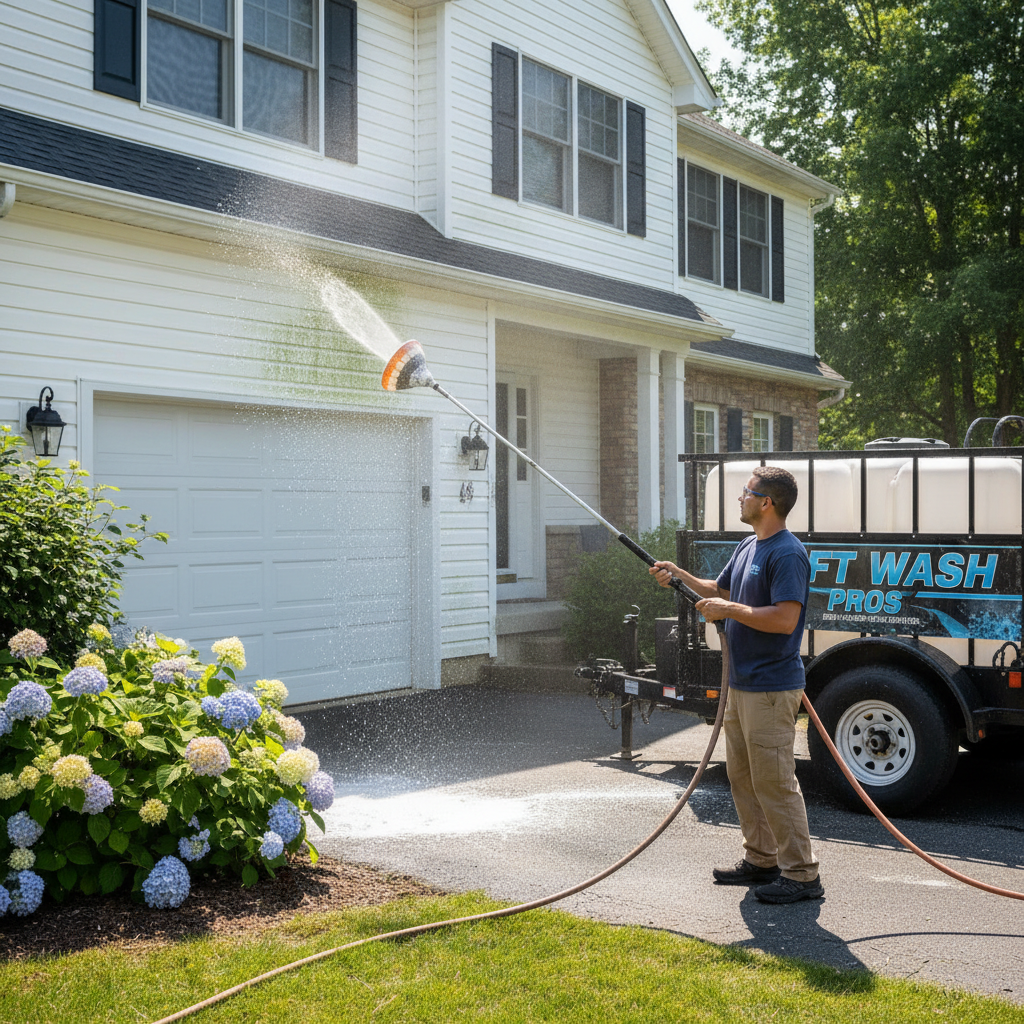
The intense Florida sun does more than just heat up your home; it physically alters the materials protecting it. After weeks of exposure to high UV indexes and temperatures exceeding 90 degrees, vinyl siding, stucco, and asphalt shingles become increasingly brittle. Utilizing high-pressure water during this state is a significant risk. High PSI can easily crack sun-baked siding or force water behind the weep holes, leading to trapped moisture and rot within the wall cavities. For roofs, the impact of high pressure can blast away protective granules, effectively shortening the lifespan of your shingles by years.
This is why soft washing experts recommend a low-pressure chemical treatment for effective St. Augustine summer exterior cleaning. Unlike traditional pressure washing, which relies on brute force to scrape away surface dirt, soft washing uses specialized surfactants and biocides to solve the problem at a biological level. These solutions are applied at a pressure roughly equivalent to a standard garden hose. The surfactants break the surface tension of the grime, allowing the cleaning agents to penetrate deep into the pores of the material.
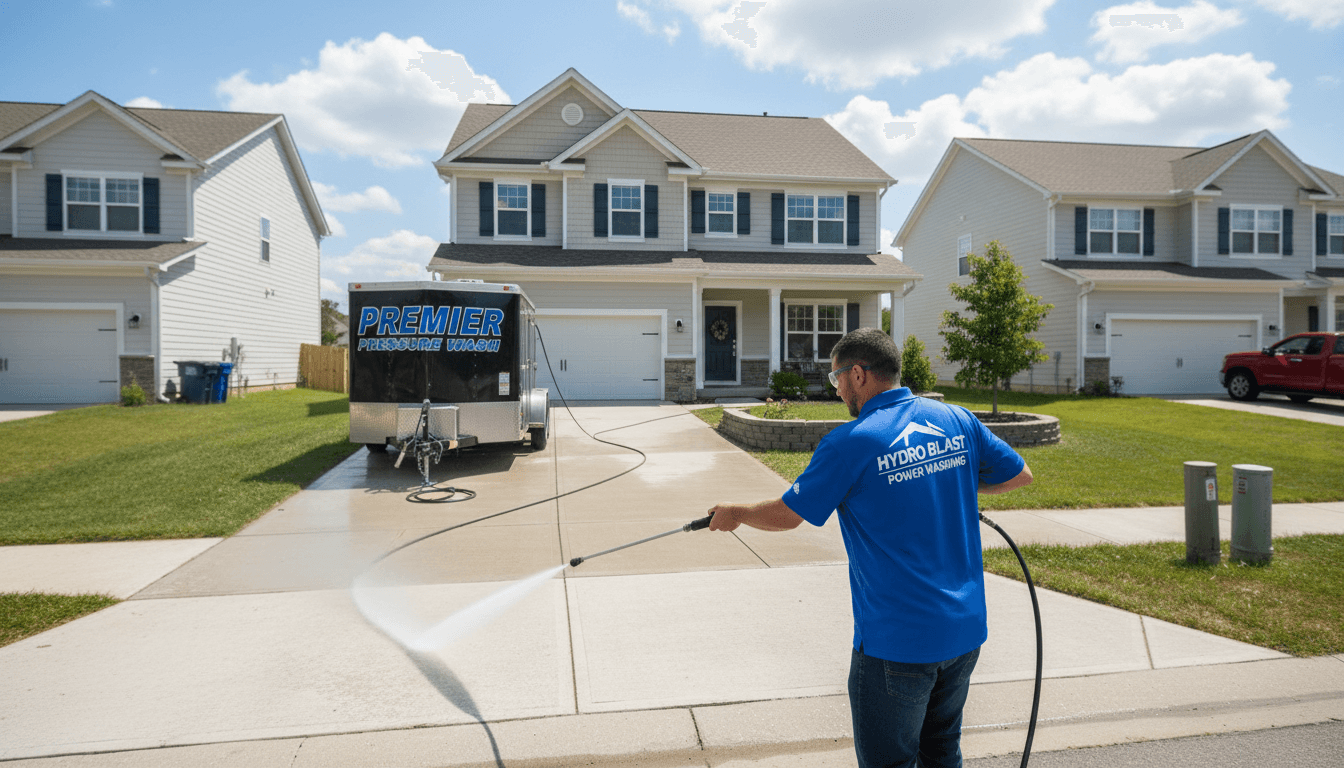
This method is particularly vital in the summer because it kills the root system of organic growth like algae and mold. Simply blasting the green off your siding with high pressure often leaves the spores behind, which leads to rapid regrowth within weeks. Soft washing neutralizes the spores entirely, ensuring a longer-lasting clean that preserves the integrity of your home’s exterior. For homeowners looking to protect their investment while achieving a like-new appearance, professional pressure washing in St. Augustine should always prioritize these low-pressure techniques on delicate surfaces.
A Seasonal Maintenance Schedule for St. Johns County Homeowners
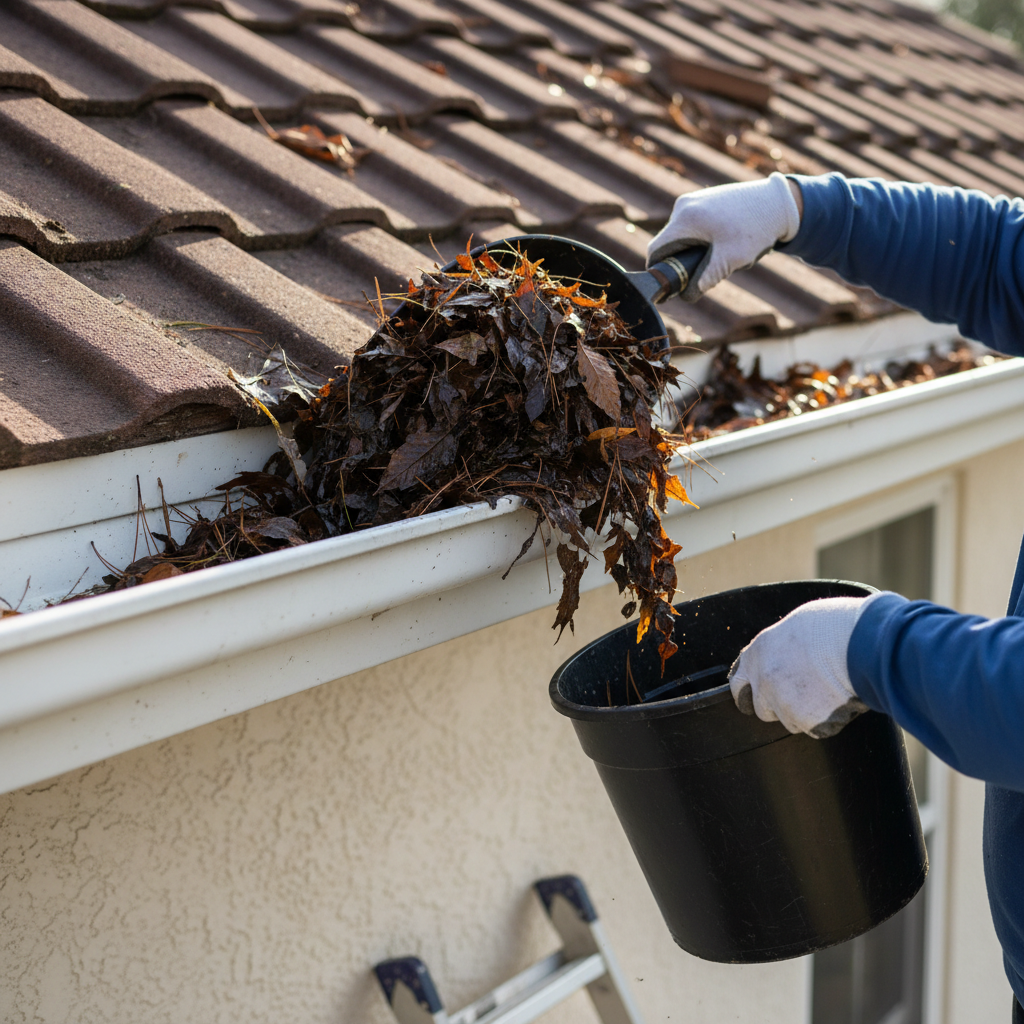
Maintaining a property in St. Johns County requires a proactive approach that accounts for the wet and dry seasons rather than the standard calendar. To combat the relentless biological growth cycle, we recommend a professional house wash every 6 to 9 months. This frequency ensures that mold and algae never gain enough of a foothold to cause permanent staining or finish degradation.
A concrete maintenance schedule should include: - Every 6 to 9 Months: A full exterior soft wash to neutralize spores and remove salt buildup. - Mid-Summer (July/August): A gutter rinse and check to ensure afternoon downpours do not overflow and cause foundation damage. - Quarterly: A dedicated cleaning of driveways and walkways to prevent slip hazards from slick algae growth.
Horizontal surfaces demand frequent attention because they collect standing water and organic debris. Maintaining a consistent St. Augustine summer exterior cleaning routine for these high-traffic areas prevents the buildup of dangerous biofilms that thrive in the Florida heat. To keep your property safe and pristine, contact us for a free estimate to establish a routine plan. Our soft washing experts can help you determine the specific needs of your lot, ensuring professional pressure washing in St. Augustine is performed exactly when your home needs it most.
Maintaining a clean home in the St. Augustine heat is about more than just curb appeal; it is a vital step in preventing long-term damage from humidity and salt air. Consistent care will keep your exterior surfaces resilient against the summer elements. If you want expert help ensuring your property receives the most thorough treatment possible, you can read more about our team and how we prioritize your home’s safety. We are always ready to assist with your specialized cleaning needs.